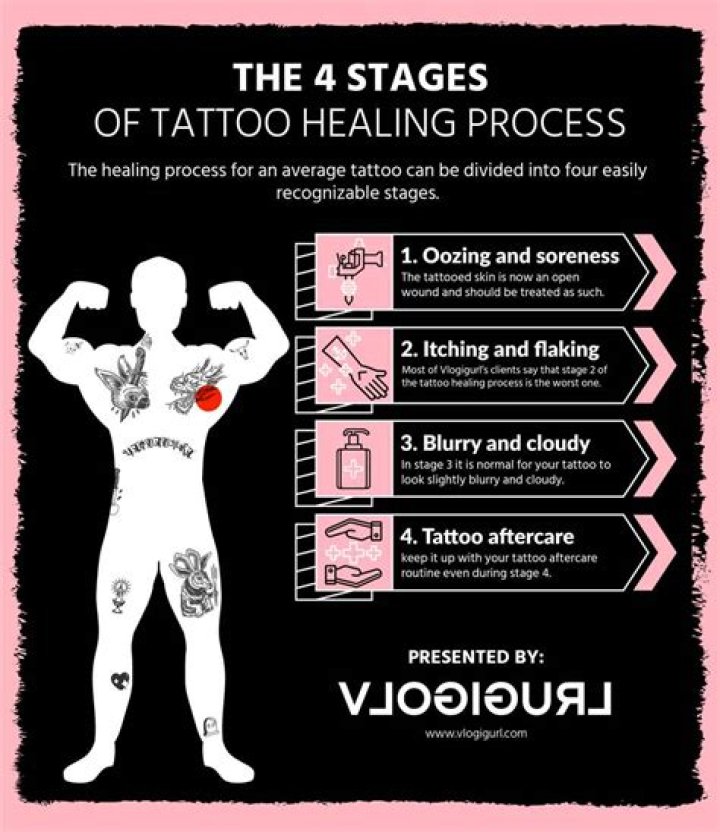
You've made the choice to adorn your body with a beautiful tattoo. It's a piece of art that speaks to your soul, and you can't wait to flaunt it. However, hold your horses before you unveil your ink masterpiece to the world. Tattoo healing process is a crucial step and it might take longer than you anticipate.
Your tattoo will undergo four stages of healing, which are dependent on various factors such as size, location on your body, and lifestyle choices. Therefore, it's essential to know the nitty-gritty of the process.
This article delves into the stages of tattoo healing, their expected timelines, and some tips on how to identify signs that your tattoo isn’t healing quite right. Scroll down to keep reading!
How Long Is the Tattoo Healing Process?
Once you have received a tattoo, the visible surface layer of skin typically takes about 2-3 weeks to heal. Our contributor Dr. Anna Chacon, a board-certified dermatologist and published author states, “It's generally best to avoid wearing tight or abrasive clothing over a new tattoo. Friction can cause irritation and potentially damage the tattoo. Loose, soft clothing made of breathable materials like cotton is typically a safer choice.” Though it may seem like the healing is complete and you might feel the urge to lessen the aftercare, it can take up to six months for the deeper layers of skin to completely heal under the tattoo.
AdvertisementIn particular, larger tattoos can take an even longer time to recover. There are various factors that can hinder the healing process, such as the removal of scabs, failing to moisturize, forgetting to use SPF, or utilizing lotions containing alcohol. It is essential to keep these things in mind to allow for proper and successful tattoo healing.
Stages of Tattoo Healing
To put it simply, there are four different stages when it comes to the healing of a tattoo. As you progress through each stage, your approach to taking care of your tattoo may require some adjustments.
First Week
During the first stage, which spans from the first day up to around day six, the freshly-inked area will be tightly wrapped up in a bandage for a few hours before being uncovered and exposed as an open wound. Your body will be experiencing the trauma and will display certain physical symptoms like redness, discharge, mild swelling or inflammation, and possibly a prickling or stinging sensation.
Second Week
At this stage, you might feel a little itchy and notice some flaking. Don't stress if you see flakes of skin falling off, as this is a completely normal part of the tattoo healing process. Your tattoo ink is still safe and sound underneath.
Resist the temptation to scratch or pick at any scabs that may form. Instead, ask your tattoo artist or doctor for a moisturizer that can keep your skin supple and lessen the itch. Your skin will thank you!
Third And Fourth Weeks
As the days go by, your tattoo may begin to lose its moisture, and slight itchiness may arise. Don't worry, though — this is normal! However, if the redness refuses to leave and becomes more persistent, you may want to keep an eye out for potential infection.
As time goes on, your tattoo may not appear as bright and bold as it did when you first got it. This is due to a thin layer of dry skin forming over it, which will naturally flake off and reveal the true beauty of your ink. It's important to resist the urge to scratch or pick at the tattoo during this time, as it could cause unwanted scarring.
AdvertisementTwo to Six Months
The second through sixth months after getting your tattoo is usually the sweet spot of healing. At this point, you should notice a significant decrease in itching and redness. Congratulations, your tattoo is well on its way to being fully healed! However, don't let your guard down just yet.
To ensure the longevity of your ink, it's important to continue practicing proper aftercare. This includes drinking plenty of water, shielding your tattoo from harmful UV rays with SPF or protective clothing, and maintaining cleanliness. A little bit of care goes a long way!
How to Reduce Tattoo Healing Time?
It's natural to crave a speedy recovery for your fresh tattoo, but in truth, it requires patience and TLC — like any injury. But don't lose heart, there are some proven tips and tricks you can follow to hasten the tattoo healing process. Dr. Anna Chacon, our contributor states that vaseline is often recommended for new tattoo care because it creates a protective barrier that can help prevent infection and keep the skin moisturized, which may aid in the healing process. However, it should be used sparingly as it can clog pores and inhibit the skin's ability to breathe.
1. Conceal Your Tattoo with Clothing
Shield your tattoo from sunlight as it may lead to fading. Newly inked tattoos are more prone to sun damage. Ensure to conceal it by donning loose-fitting apparel like full-sleeve tops and trousers whenever you are outside during the daytime. Wait until your tattoo is completely healed before applying any sunscreen.
2. Avoid Re-Wrapping After Removing the Initial Dressing
Allow your tattoo to catch a breath as the skin art needs ample airflow to facilitate the healing process. Even though the tattoo artist may have applied a clear plastic or surgical wrap on it initially, refrain from applying a fresh bandage. Wrapping it up could lead to excessive dampness and a reduced supply of oxygen, which can trigger scab formation and slowed healing.
3. Don’t Use Fragranced Products
When it comes to your tattoo, it's essential to steer clear of any scented products. This includes lotions, soaps, and even shampoos and body washes if your tattoo is located in a sensitive area. The chemicals in fragrances can have adverse effects on your tattoo ink, leading to unwanted reactions and possible damage. Opting for unscented products is the best choice for maintaining the integrity and vibrancy of your tattoo.
Advertisement4. Avoid Getting Your Tattoo Too Wet
While showering, it’s perfectly fine for your tattoo to be exposed to some water. However, make sure to avoid immersing or drenching it fully in water during showers or baths. Also, don't indulge in swimming activities for at least 2 weeks.
Signs Your Tattoo Is Not Healing Properly
It is essential to be able to recognize the symptoms of a tattoo that is not recovering appropriately or has turned into an infection. Signs of a tattoo that is not healing properly consist of:
- Fever or Shivering: A fever could imply a possible infection that calls for prompt medical attention from a professional.
- Excessive Redness: It's common for tattoos to display a touch of redness in the days following the procedure. However, when this reddish tint persists, it's an indication that your tattoo isn't recovering properly.
- Puffy or Swollen Skin: Don't panic if your new ink looks a bit raised, but if the skin surrounding it appears swollen or puffy, it's possible that you may have an allergic reaction to the tattoo ink.
- Dripping or Oozing Fluid: If you notice that the inked area of your skin is still secreting fluid or pus beyond a span of 2-3 days, it is highly likely that an infection has set in. It would be best to consult a medical professional immediately.
- Extreme Itchiness: The sensation of extreme itchiness or the sudden appearance of hives on your skin may indicate an allergic reaction to the ink used in your tattoo. Such allergic reactions can occur immediately after getting the tattoo or even after a prolonged duration of several years.
- Visible Scarring: Your tattoo is going to need some time to heal, as it's technically a wound. However, once fully healed, there should be no visible scarring. Look out for any signs of scarring such as red, raised, or distorted skin and color within the tattoo, as well as any areas that look pitted or uneven.
Tattoo Healing And Aftercare Tips to Bear in Mind
The importance of practicing appropriate aftercare for your tattoo cannot be overstated. Not only does it prevent infections, but it also facilitates a smooth and complete healing process.
Advertisement1. Maintain Tattoo Hygiene
Caring for your tattoo is critical to safeguard it against pesky infections. To clean it, make sure you use a fragrance-free and hypoallergenic soap. In regions where the tap water's trustworthiness is questionable, be sure to purify your tattoo with distilled water or sterilize your tap water beforehand. Wait for the tattoo to air-dry completely before applying any moisturizer.
2. Keep It Moisturized
In order to keep your new tattoo looking vibrant and healthy, your tattoo artist will recommend using a thick ointment in the initial days. After that, switch to a mild moisturizer from the drugstore. This will not only soothe the itching but also nourish your skin with essential nutrients.
If you want to try a natural remedy, consider pure coconut oil which boasts antimicrobial properties. However, stay away from any fragranced products that may cause irritation to your healing skin.
3. Resist Picking at Scabs
It's common for a tattoo to develop scabs and an irritating itch. However, scratching may permanently damage the artwork or leave unsightly scars. To relieve the discomfort, you can try applying moisturizer. Just remember, hands off the scabs!
4. Apply a Generous Layer of SPF
For the first couple of months, be sure to keep your tattooed skin covered with protective clothing or sunscreen. Those vibrant colors will thank you later for warding off the harsh UV rays that could cause unwanted fading, a change that cannot be undone. So don't let the sun sabotage your cherished body art, keep it covered!
Conclusion
The tattoo healing process may seem a bit complicated, but in reality it's not. Don't fret if you notice some pain, soreness, or oozing in the first three days because that's pretty normal. However, by the fourth day, those symptoms should disappear and you might experience itchiness and peeling for about a week. In fact, don't be alarmed if your tattoo seems darker or less vivid than you imagined; it will brighten up in about a month. Just follow your tattoo artist or dermatologist's instructions to ensure you get the best result possible, while protecting yourself from infections.
Contributor: Dr. Anna Chacon, M.D. Dermatologist, MyPsoriasisTeam
ALSO READ: 10 Best Lotions for Tattoos to Heal And to Maintain the New Ink
Advertisement11 Best Tattoo Numbing Creams to Alleviate Pain When Getting Inked