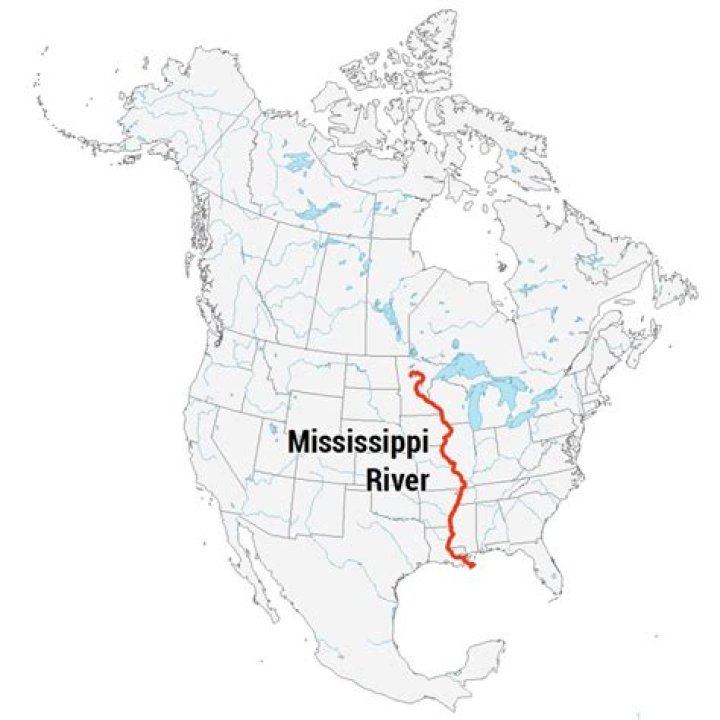
Reports are swirling online that the Mississippi River is on its way back up in Minnesota. Do people in the Quad Cities need to worry? Matt Wilson, senior service hydrologist with the National Weather Service in the Quad Cities says people can relax.
“The way that the river works up there is that they were still dealing with a little bit of their snow melt coming off the Minnesota River, so they were still elevated from that event. The majority of that had already made it down in the main push, and is well past the Quad Cities,” he said. “They still had a little bit of that flowing through the Minnesota River. It’s very long, it has a very shallow grade, so it doesn’t empty out as quickly as, say, the Mississippi does so it’s higher for extended times due to that snow melt.” On top of the snow melt, the area recently experienced large rain events, adding to the moisture levels in the waterways. “What we’re seeing now is the combination of that rain hitting those elevated rivers and it’s mostly coming out of the Minnesota River there at the St. Paul gauge on the Mississippi.”
What does this mean for the Quad Cities? Residents along the Mississippi don’t have to reach for the sandbags and Davenport doesn’t need to reinstall the HESCO barrier, according to Wilson. “What it’s going to do for us is, it’s going to keep our river level flat. By the time it reaches us, it’s going to have attenuated enough that we’re not going to see any rises from it. It’ll just keep it flat.” Wilson consulted with his peers at the North Central Forecast Center in Chanhassen, Minn. and they predict a crest in St. Paul sometime within the next week. “It’s about an eight-to-10-day travel time downriver, about eight days to the Dubuque area and about 10 days to us here in the Quad Cities, so sometime around the turn of the month, we expect that press to reach us down here, but we don’t expect it to go above flood stage. We think we’ll see a nice flat line at about the 12-foot mark, somewhere between 11 ½ and 12 feet here at the Rock Island gauge, and it’ll hang up there for a couple days, stay a little bit elevated, and then keep going back down to the river’s normal levels for that time of year.”
While residents can continue cleanup efforts, that doesn’t mean the threat of flooding is over for 2023, said Wilson. “Any time of year, especially during the summer, a large precipitation event can come by. They can drop that five-to-six-inch gully washer and it can fill up the river fast. Even the Mississippi does come up a little bit faster than people think. People should still definitely be cautious when they go into those (flooded) areas because we have heard reports of sinkholes opening up underneath roads. The road might look fine, but underneath could be compromised if you drive over top of it. Wait for somebody in law enforcement or emergency management to go through and check and make sure that everything’s safe before we get those roads all the way back open.”