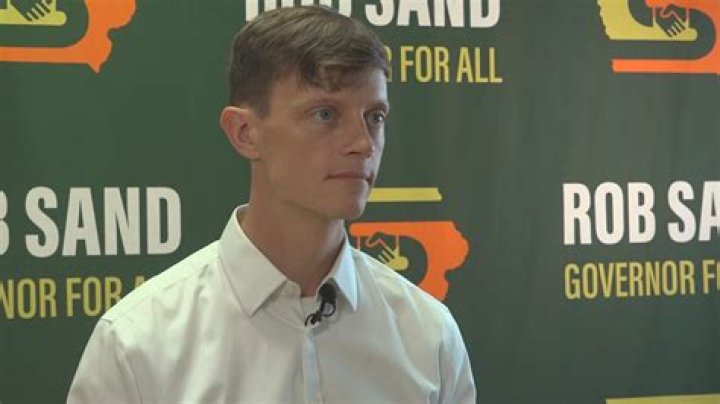
Iowa State Auditor Rob Sand had tough words about a new bill in the state legislature that would allow state agencies to refuse to hand over financial records for audits.
“A new lack of sunshine on government in Iowa marks a dark day for our state,” said Sand in a Zoom news conference. “Despite bipartisan opposition, last year the governor (Kim Reynolds) signed the most pro-corruption bill in Iowa history, allowing the state agencies to hide documents from the Auditor’s Office and thus hide the truth from taxpayers. Today we’re issuing the first report, telling the public the truth remains hidden from them. Government corruption and secrecy will grow faster and farther in Iowa if SF2311 passes the legislature this year and is signed into law.”
A similar bill was introduced last year that faced bipartisan opposition, but the authors introduced a new one this year. Sand is concerned that a lack of oversight would lead to corruption. “It would replace the State Auditor chosen by the voters of the state of Iowa with one that insiders would handpick with no bidding requirement and no means for independent oversight of their audits. These insiders want a state auditor who is a lap dog not a watchdog.”
Sand said letters were written to the Reynolds administration, warning them that the lack of information would affect audits. “We worked hard with administrative-side folks in the state of Iowa in the Reynolds administration, but we can’t issue things on time if we don’t have the material that we have to audit.”
The bill was a surprise to the Auditor’s Office, said Sand. “We had no advance notice that the author of this bill had any interest in a bill about the state Auditor’s Office. Maybe if he had reached out to us and asked ahead of time, ‘hey are these good ideas, are these things that we should do,’ we could have given him some facts. This could have helped write a bill that was good for taxpayers.”
“Let me make it clear, even though today’s report about the Board of Parole states that we don’t know whether state government was following its own laws. They want to find a state auditor who won’t even dare ask that question,” said Sand. “What we found today in the Board of Parole report was that the laws requiring how the Board of Parole operates were not being followed.”
A whistleblower reported credible information to the Auditor’s office, but when they called the Board of Parole for information, they were told the situation had already been resolved. “When we reached out to the Board of Parole as part of this audit, we asked them what was going on and they told us ‘it’s OK we’ve identified this issue already and we’ve addressed it internally.’ We said ‘great, show us the documentation that shows us that you addressed the issue.’ They didn’t do that; they refused to provide us with that documentation. So we’re issuing a report today saying that because of SF478, which is what they cited when they decided not to give us that information, that they will not provide that information. They’re also claiming that it was relevant to ongoing litigation. That litigation hadn’t started at the point that we asked for these records. They just didn’t provide them at all.”
There’s still time for Iowans to voice their opinions on the bill, says Sand. “Taxpayers who want to have government oversight and don’t want public corruption should call their elected officials and tell them that they should say no to SF 2311 because it will install a system that has no oversight and no checks and balances on audits conducted by people who are being hired by the very people being audited.”
Sand’s frustration with the development echoes that of many voters. “This bill and the process that brought these terrible ideas to advance in the state of Iowa is exactly why so many people, including myself, hate politics.”