Asparagus, Asparagus Officinalis, is a member of the lily family and is a well-known vegetable that is available in white, green, and purple varieties. Asparagus can be consumed raw or cooked and is often included in soups, stews, and salads.
​
This article will explore how asparagus may impact blood sugar levels and the health benefits of including this vegetable in your diet.
Get more information about weight loss, glucose monitors, and living a healthier life
Thank you! Your submission has been received!
Oops! Something went wrong while submitting the form.
Glycemic Index Table
The glycemic index for asparagus is 15, which is considered to be in the low glycemic index range.¹ This rating means that eating asparagus will not cause rapid spikes in blood sugar levels and is a great option for those looking to maintain stable blood sugar levels.
​
The fiber content in asparagus also slows down the absorption of nutrients, allowing this vegetable to have one of the lowest glycemic index ratings available. Asparagus also increases the output of insulin, a hormone that helps with the body’s absorption of glucose.²
​
The below glycemic index and glycemic load data is for 100 grams of raw asparagus: ¹ ³
Glycemic Index
Serving Size
Carbohydrate* per Serving (g)
GL per Serving
Nutritional Facts
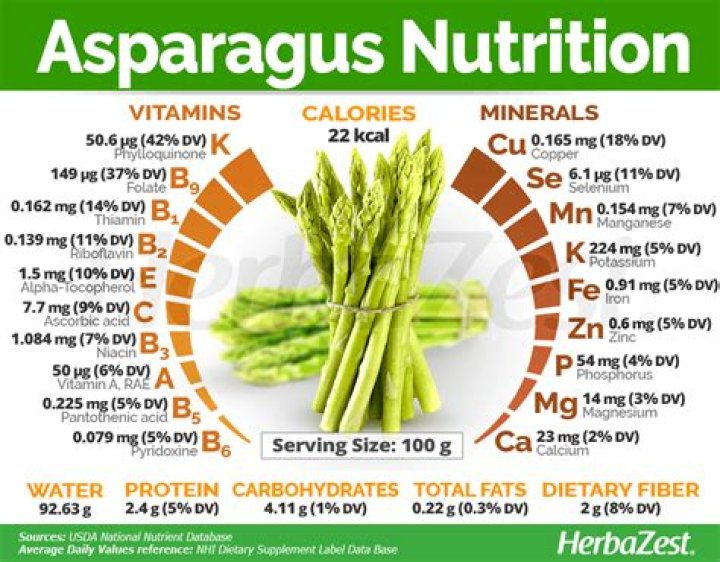
Asparagus contains few calories and is packed with vital vitamins, minerals, and antioxidants. In addition to the nutrient profile below, asparagus also contains minimal amounts of iron, zinc, and riboflavin. Asparagus also contains a rich amount of folate, which is a nutrient important for healthy pregnancies and vital body processes.
​
The nutritional information below is for 100 g of raw asparagus.³
Calories
84.65 kcal
Carbs
Protein
Fiber
Cholesterol
Vitamins
A (38 µg), B12 (0.04 µg), B6 (0.09 mg), C (6.08 mg), D (2.75 IU), Beta Carotene (449 µg), Folate (52 µg)
Sodium
Total Fat
Is Asparagus Good for Weight Loss?
Currently, no studies have tested the impacts of asparagus on weight loss. However, asparagus is extremely low in calories and is 94% water. Research does suggest that consuming low-calorie, water-rich foods is associated with weight loss.²² ²³
​
Asparagus is also rich in fiber, which has been linked to weight loss.²⁴ The human body digests fiber slowly, making you feel fuller between meals.
​
If you are looking for ways to incorporate asparagus into your meals, here are some ideas to try out:
- Add it into an omelet or frittata with other veggies
- Place asparagus spears on a grill and coat with olive oil
- Add asparagus to any soup or stew
Is Asparagus Safe for People Living with Diabetes?
One of the best benefits of asparagus is that it can help control blood sugar levels. People with type 1 diabetes and type 2 diabetes can enjoy this vegetable without worrying about blood sugar spikes. However, asparagus is rarely eaten alone. Pair this vegetable with a lean protein and healthy fat to further slow the digestive process and prevent blood sugar spikes.
​
Those living with diabetes also need to be mindful of portion sizes of asparagus, given its high fiber content. Consuming too much fiber can lead to unpleasant symptoms such as bloating, gas, abdominal discomfort, and even diarrhea. These symptoms are more likely to occur when there is a sudden and significant increase in fiber intake rather than when fiber is consumed in moderation.
Get more information about weight loss, glucose monitors, and living a healthier life
Thank you! Your submission has been received!
Oops! Something went wrong while submitting the form.
Allergies
Asparagus allergies are extremely rare; however, they can occur. Aspa o 1 is the key allergen associated with an allergy to asparagus. Asa o 1 is a Lipid Transfer Protein (LTP) that causes symptoms of indigestion when consuming cooked asparagus. Asparagus may also cause contact dermatitis rashes.
​
Symptoms of an asparagus allergy can include itchiness of the mouth, lips, or throat, swelling, and redness. In severe cases, allergic reactions can cause hives, difficulty breathing, and anaphylaxis. Please consult a healthcare professional if you suspect an allergy, sensitivity, or intolerance to asparagus.
No items found.